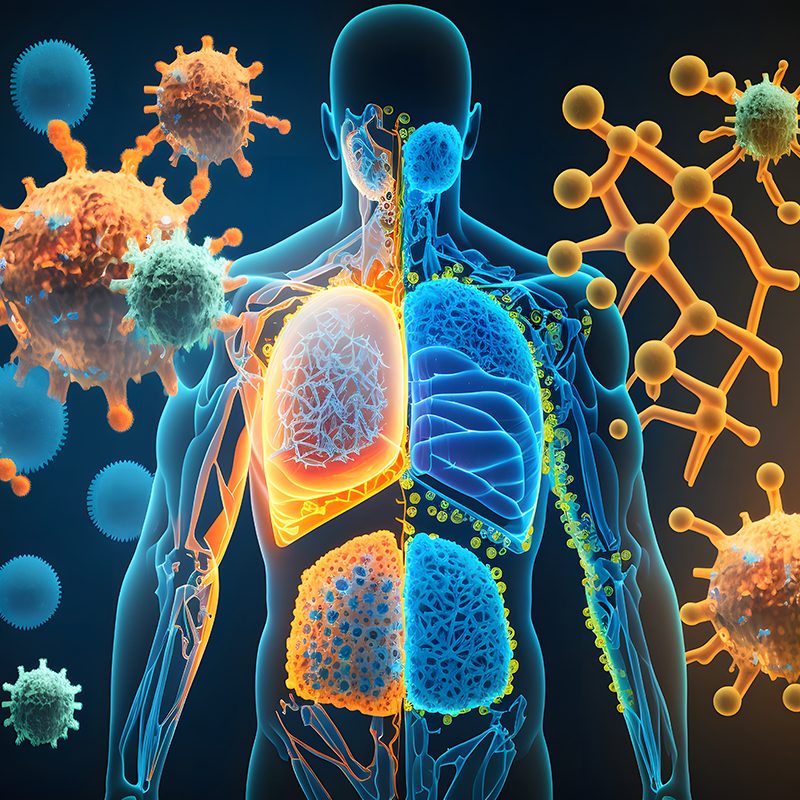

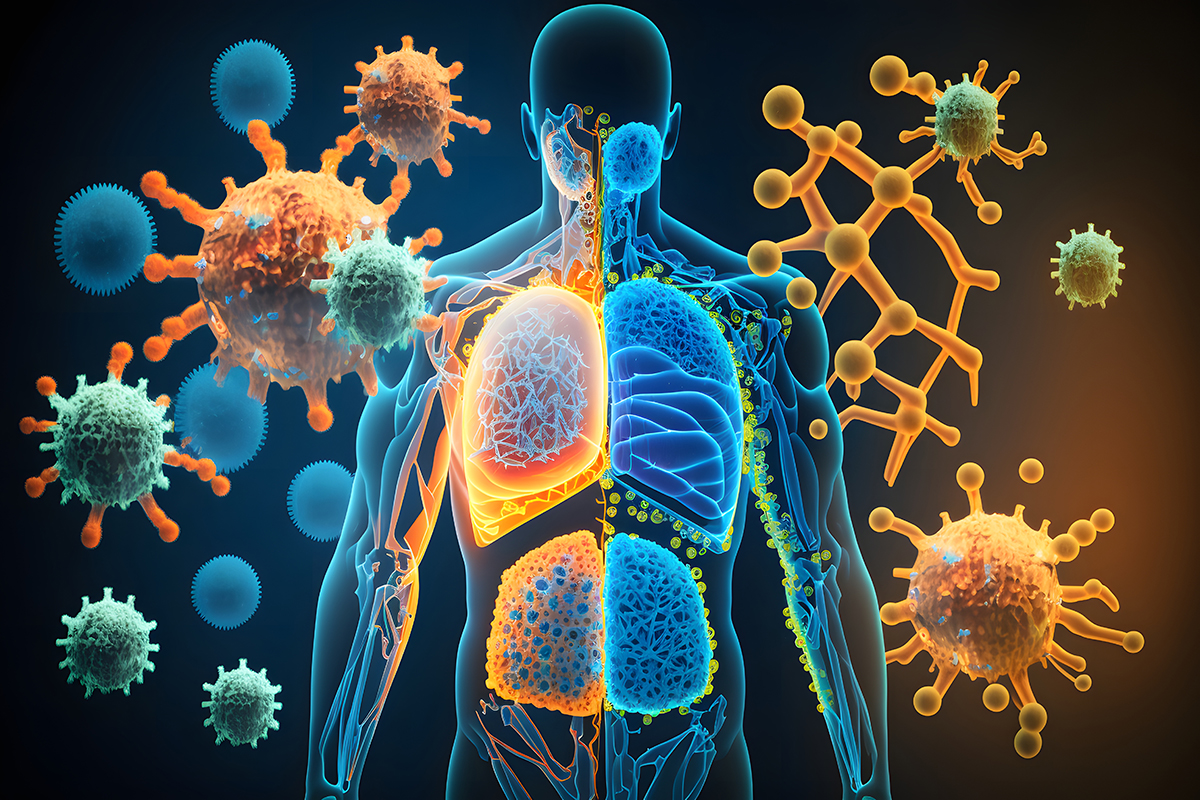
The Body’s Built-In Defense Network: Understanding How Immunity Works
The human immune system is a highly coordinated network designed to help the body maintain internal balance. Rather than being a single organ, it is a complex system made up of cells, tissues, and organs that work together to recognize and respond to everyday environmental challenges.
Understanding the basic structure of this system can provide helpful insight into how the body protects itself naturally.
Key Components of the Immune System
The immune system includes several important structures:
- White blood cells, which circulate in the bloodstream and help identify unfamiliar substances
- The lymphatic system, a network of vessels and nodes that supports immune cell transport
- The spleen and thymus, which help regulate immune cell development
- Bone marrow, where many immune cells are produced
Each component has a specific role, yet they operate together in a coordinated way.
Innate and Adaptive Responses
The immune system functions through two primary layers of defense:
- Innate immunity – The body’s immediate, non-specific defense. This includes physical barriers such as skin and internal responses that activate quickly when needed.
- Adaptive immunity – A more specialized response that develops over time. This system can recognize specific patterns and respond more efficiently during future exposures.
These two systems work together to help maintain balance and resilience.
Communication Within the System
Immune cells communicate through chemical signals that coordinate activity. When one part of the system detects a change, signals are sent to recruit additional support.
This coordination allows the body to respond efficiently while maintaining overall stability.
Why Understanding the Basics Matters
Learning how immunity works provides perspective on overall health. Rather than focusing on quick solutions, understanding foundational processes highlights the importance of long-term lifestyle habits that support normal biological function.
The immune system is dynamic and responsive. Its effectiveness depends on the overall condition of the body and the balance of daily habits.