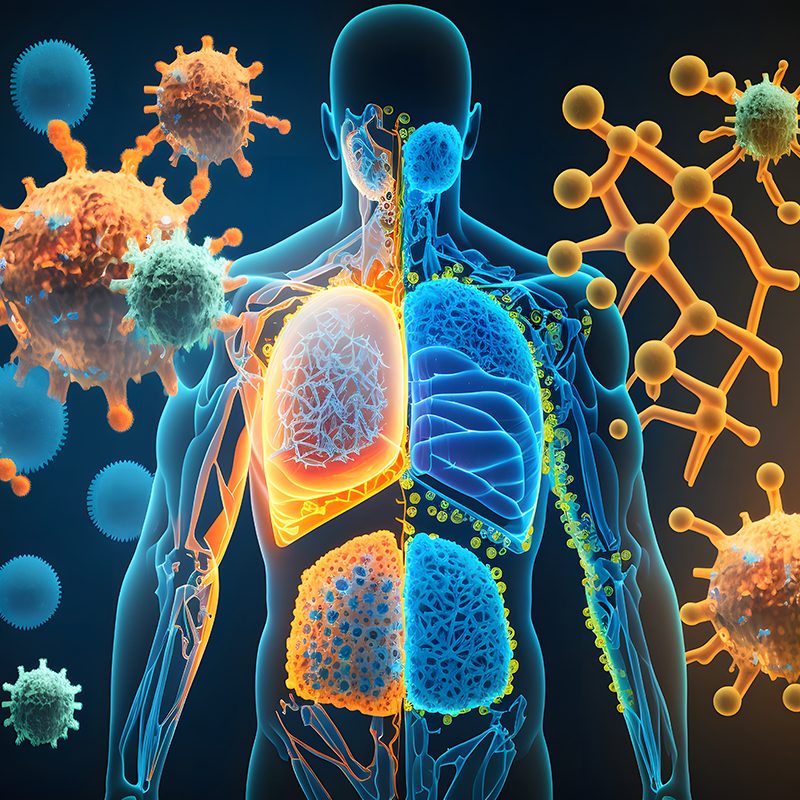

From Detection to Response: How the Immune System Identifies Change
Every day, the body interacts with countless environmental elements. The immune system plays a crucial role in distinguishing between what belongs in the body and what does not.
This ability to detect and respond is essential for maintaining internal stability.
Recognition Mechanisms
Certain immune cells are equipped with receptors that recognize unfamiliar patterns. When such patterns are detected, the immune system begins a coordinated response.
This recognition does not happen randomly. It is based on biological markers that help differentiate normal body cells from external substances.
The Role of White Blood Cells
White blood cells are central to immune activity. Different types of white blood cells perform specialized tasks:
- Some act as early responders
- Others coordinate communication between cells
- Certain cells produce antibodies that target specific substances
These responses are carefully regulated to maintain balance.
Inflammation as a Protective Process
Inflammation is often misunderstood. In its normal form, it is a temporary and protective response designed to support healing and adaptation.
A short-term inflammatory response may involve increased blood flow and immune cell activity. This is part of the body’s natural defense strategy.
Memory and Adaptation
One of the most fascinating aspects of the immune system is its ability to adapt. Adaptive immune cells can “remember” specific patterns, allowing for more efficient responses in the future.
This memory function demonstrates the dynamic and intelligent nature of immune regulation.
Understanding these processes helps explain how the body maintains equilibrium without conscious effort.